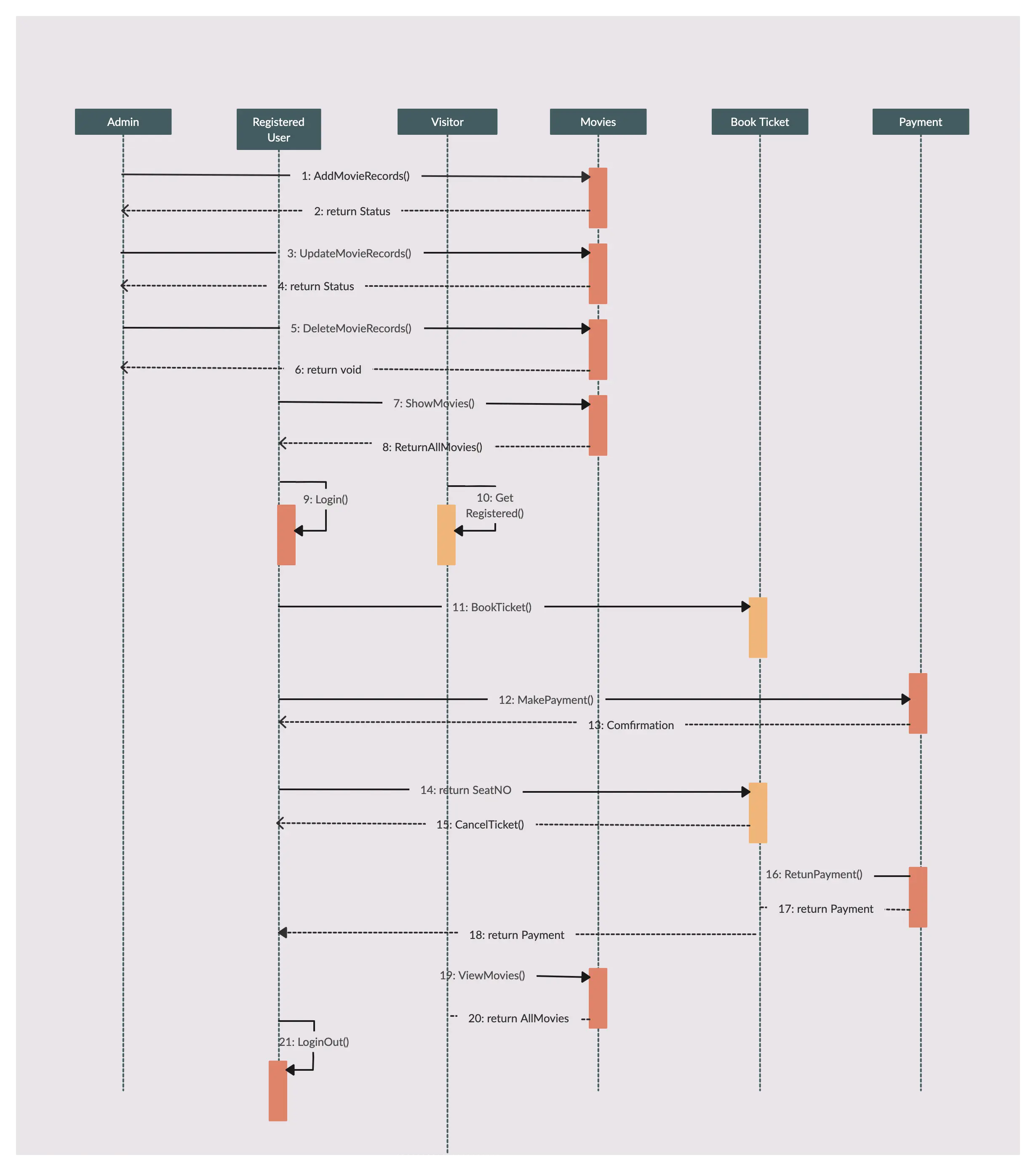

In the realm of filmmaking, the concept of a sequence of film fragments has evolved into a powerful tool for storytelling. This technique involves breaking down a narrative into smaller, interconnected segments, each contributing to the overall plot and character development. By understanding and mastering the art of creating a sequence of film fragments, filmmakers can craft more engaging and immersive experiences for their audiences.
Understanding the Sequence of Film Fragments
A sequence of film fragments refers to a series of short, distinct scenes or shots that are edited together to form a cohesive narrative. Each fragment can be a standalone moment, but when combined, they create a larger story. This approach allows filmmakers to experiment with non-linear storytelling, flashbacks, and parallel narratives, adding depth and complexity to their films.
To effectively use a sequence of film fragments, it's essential to understand the key elements that make up each fragment:
- Setting: The location and environment where the fragment takes place.
- Characters: The individuals involved in the fragment, each with their own motivations and arcs.
- Plot: The specific events or actions that occur within the fragment.
- Emotion: The emotional tone and impact of the fragment on the audience.
Planning Your Sequence of Film Fragments
Before diving into the production process, careful planning is crucial. Here are the steps to plan your sequence of film fragments:
1. Develop a Clear Narrative: Start by outlining the overall story you want to tell. Identify the key plot points, character arcs, and emotional beats.
2. Break Down the Story: Divide the narrative into smaller, manageable fragments. Each fragment should have a clear beginning, middle, and end, contributing to the larger story.
3. Create a Storyboard: Visualize each fragment with a storyboard. This helps in planning the shots, camera angles, and transitions between fragments.
4. Script Each Fragment: Write a detailed script for each fragment, including dialogue, actions, and camera directions.
5. Plan the Editing: Consider how each fragment will be edited together. Think about the pacing, transitions, and overall flow of the sequence.
📝 Note: Planning is essential to ensure that each fragment fits seamlessly into the overall narrative. Skipping this step can lead to a disjointed and confusing sequence.
Crafting Engaging Film Fragments
Creating engaging film fragments involves more than just breaking down the story. It requires a deep understanding of cinematic techniques and storytelling principles. Here are some tips to craft compelling fragments:
1. Use Visual Storytelling: Leverage the power of visuals to convey emotions and advance the plot. A well-composed shot can speak volumes without the need for dialogue.
2. Experiment with Camera Angles: Different camera angles can evoke different emotions. For example, a low-angle shot can make a character appear powerful, while a high-angle shot can make them seem vulnerable.
3. Incorporate Sound and Music: Sound effects and music play a crucial role in setting the mood and enhancing the emotional impact of each fragment. Choose your audio elements carefully to complement the visuals.
4. Focus on Character Development: Each fragment should contribute to the development of the characters. Show their motivations, conflicts, and growth through their actions and interactions.
5. Maintain Consistency: Ensure that the tone, style, and pacing of each fragment are consistent with the overall narrative. This helps in creating a cohesive and immersive experience for the audience.
Editing Your Sequence of Film Fragments
Editing is where the magic happens. It's the process of piecing together the fragments to create a seamless and engaging narrative. Here are some key considerations for editing your sequence of film fragments:
1. Choose the Right Transitions: Transitions between fragments can significantly impact the flow of the story. Use cuts, fades, dissolves, and other transitions to create a smooth and engaging sequence.
2. Control the Pacing: The pacing of your sequence can greatly affect the audience's engagement. Vary the length of each fragment and the speed of transitions to keep the audience on the edge of their seats.
3. Use Montages: Montages can be a powerful tool for compressing time and conveying multiple events in a short span. They can also add visual interest and emotional depth to your sequence.
4. Experiment with Non-Linear Storytelling: Non-linear storytelling can add complexity and intrigue to your narrative. Use flashbacks, flashforwards, and parallel narratives to keep the audience guessing.
5. Review and Refine: Editing is an iterative process. Review your sequence multiple times, making adjustments as needed to ensure that each fragment flows seamlessly into the next.
📝 Note: Editing software like Adobe Premiere Pro, Final Cut Pro, and Avid Media Composer offer a range of tools and features to help you create a polished and engaging sequence of film fragments.
Examples of Successful Sequence of Film Fragments
Many films have successfully used a sequence of film fragments to tell their stories. Here are a few notable examples:
| Film | Director | Description |
|---|---|---|
| Pulp Fiction | Quentin Tarantino | A non-linear narrative that interweaves multiple storylines, each told through a sequence of film fragments. |
| Memento | Christopher Nolan | A reverse chronology narrative that uses a sequence of film fragments to explore the protagonist's memory loss. |
| Eternal Sunshine of the Spotless Mind | Michel Gondry | A complex narrative that uses a sequence of film fragments to depict the protagonist's memories being erased. |
These films demonstrate the power of a sequence of film fragments in creating unique and engaging storytelling experiences.
Challenges and Solutions in Creating a Sequence of Film Fragments
While a sequence of film fragments can enhance storytelling, it also presents several challenges. Here are some common issues and solutions:
1. Maintaining Cohesion: Ensuring that each fragment fits seamlessly into the overall narrative can be challenging. To maintain cohesion, focus on consistent character development, plot progression, and emotional tone.
2. Avoiding Confusion: Non-linear storytelling can sometimes confuse the audience. Use clear visual and auditory cues to guide the audience through the sequence. Provide context and explanations where necessary.
3. Balancing Pacing: Balancing the pacing of each fragment is crucial. Too much action can overwhelm the audience, while too little can bore them. Experiment with different lengths and transitions to find the right balance.
4. Technical Challenges: Editing a sequence of film fragments requires technical skills and the right tools. Familiarize yourself with editing software and techniques to overcome technical challenges.
📝 Note: Collaboration with experienced editors and cinematographers can help overcome these challenges and create a polished sequence of film fragments.
Creating a sequence of film fragments is a complex but rewarding process. By understanding the key elements, planning carefully, and using effective editing techniques, filmmakers can craft engaging and immersive narratives that captivate audiences. The examples of successful films demonstrate the potential of this technique, while the challenges and solutions provide a roadmap for overcoming obstacles. With practice and dedication, any filmmaker can master the art of creating a sequence of film fragments and elevate their storytelling to new heights.
Related Terms:
- what is a sequence
- film sequence definition
- Related searches sequence in filmmaking